Pedrita Estudio

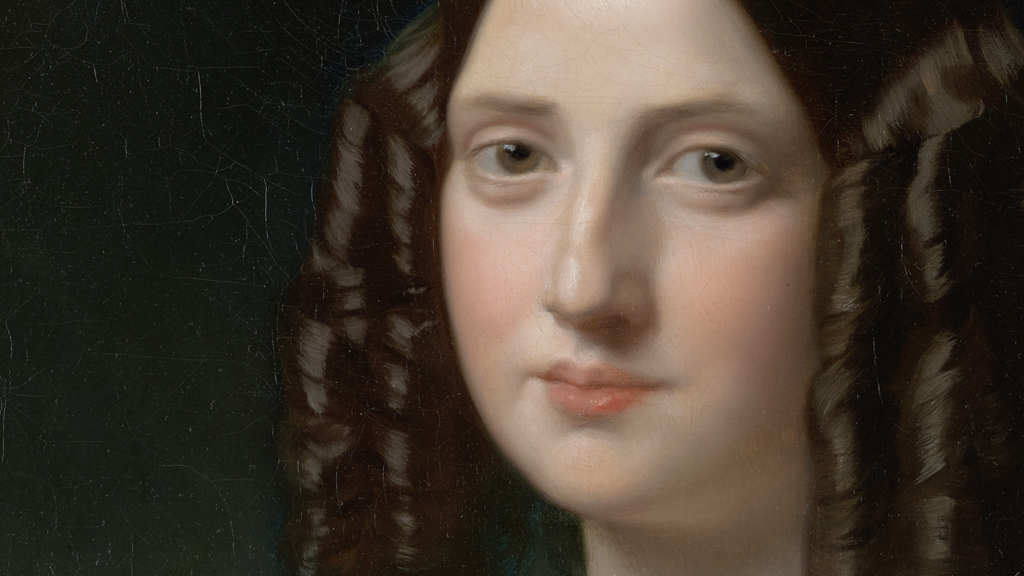
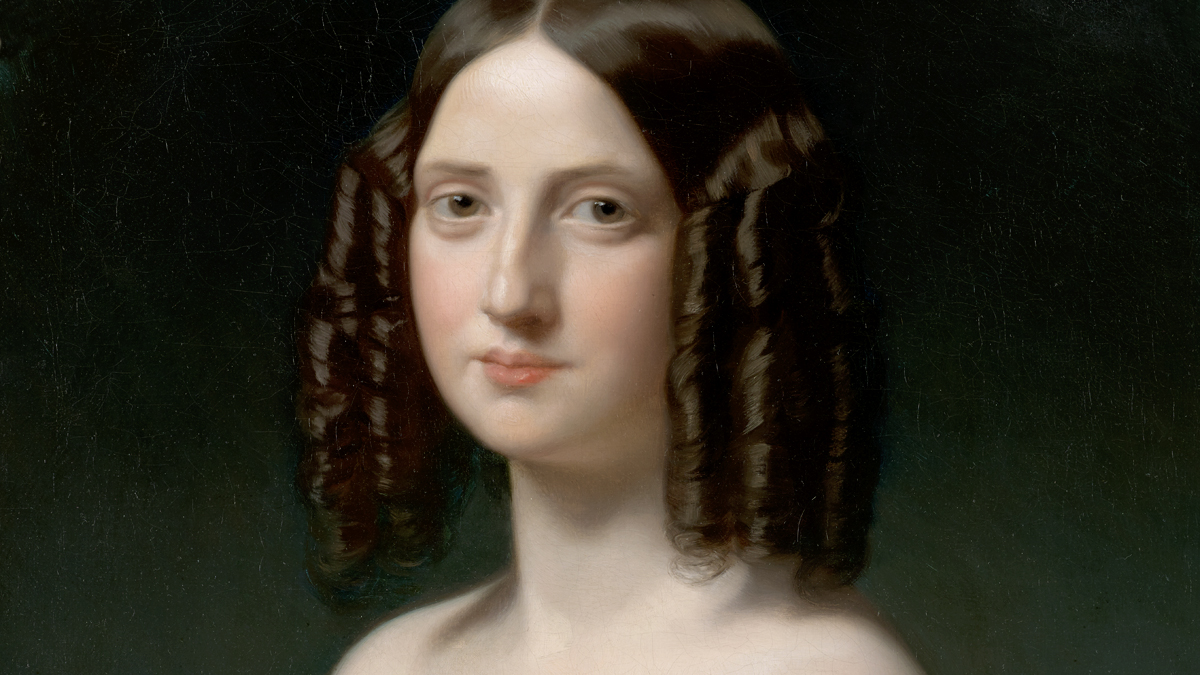
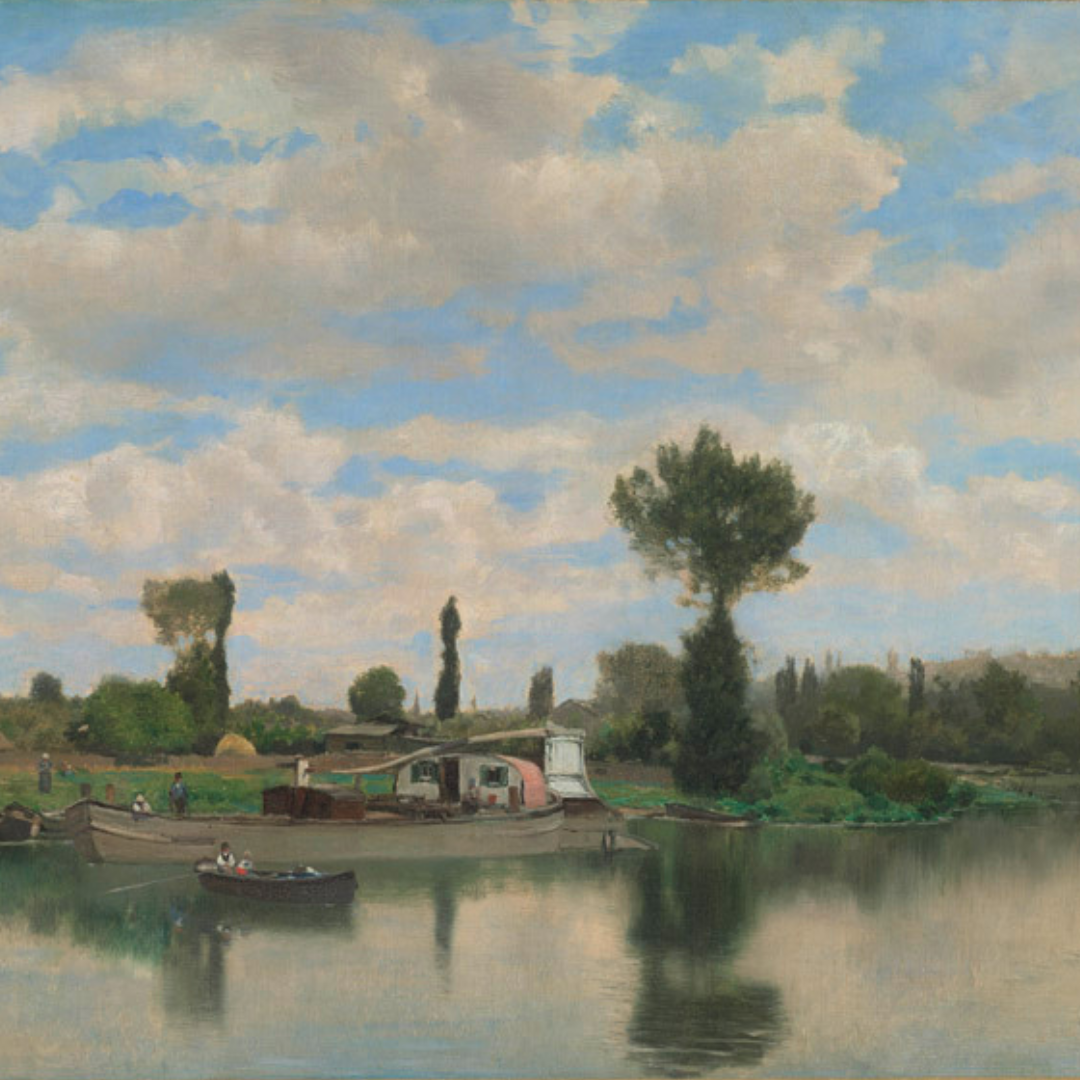
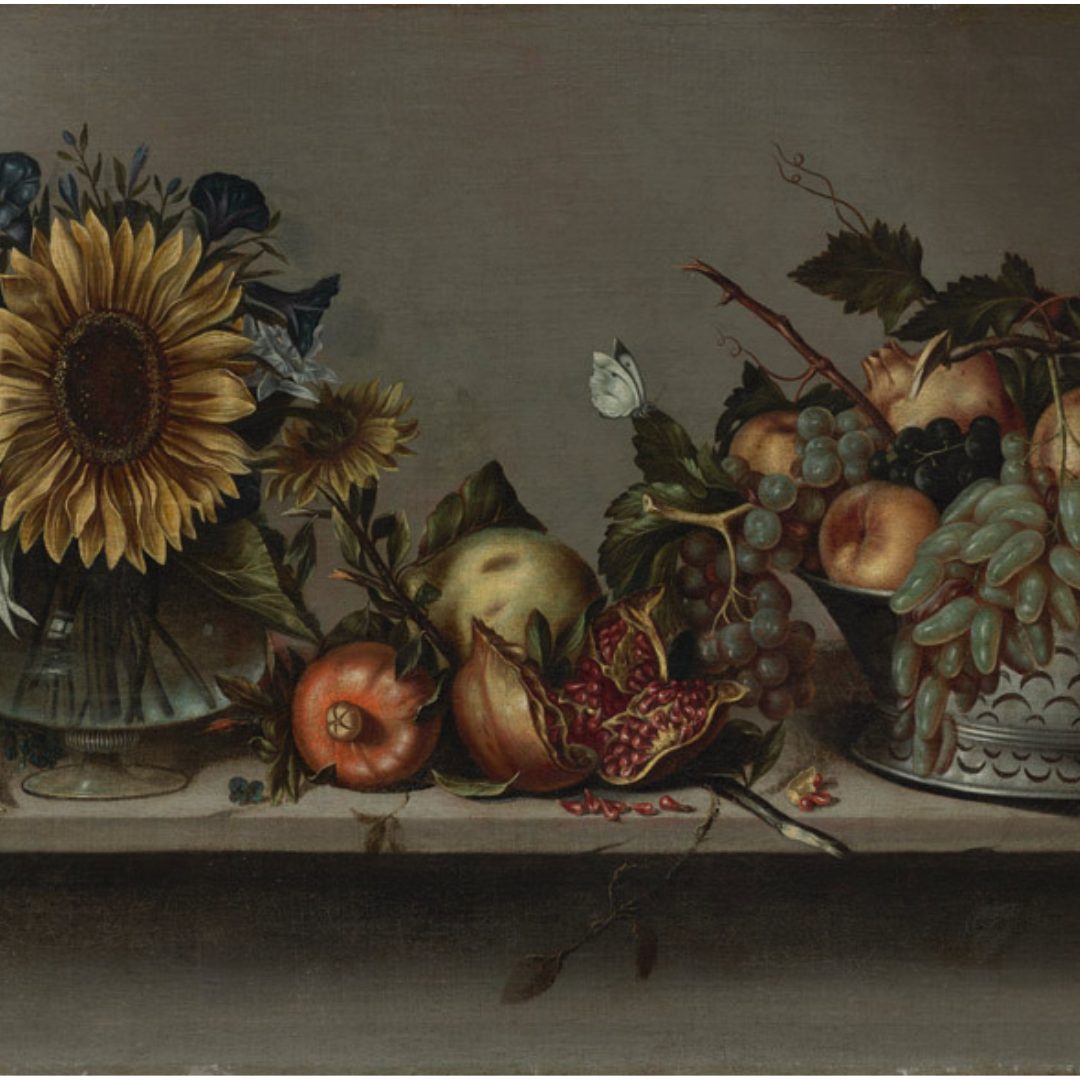
The Fundación María Cristina Masaveu Peterson Collection (FMCMP Collection) was created in 2007 to reflect the Foundation’s support and patronage of the arts and to continue the collecting tradition of the family and the Casa Masaveu, exemplified most notably by its founder, María Cristina Masaveu Peterson.
Now comprising almost one thousand pieces dating from antiquity to the twenty-first century, the collection is constantly enriched as it grows and evolves, reaching audiences through different exhibitions, educational projects and outreach programmes.
This constant expansion is developed through specific patronage projects and, above all, through a concentrated acquisitions policy, largely pursued through national and international contemporary art fairs but also through the Spanish art market and prestigious national and international auction houses.
The recovery of Spanish historical heritage is one of the foundational aims of the institution and the vast majority of the pieces in the FMCMP Collection are therefore acquired on the international market, contributing in this way to bring home Spanish cultural heritage previously located abroad.
In line with the Foundation’s didactic, dissemination and cultural mission, most of the acquisitions are made with the aim of reaching audiences through exhibitions and educational projects that have a cultural impact on society. Together, the FMCMP Collection and the Masaveu Collection represent one of the most important private holdings in Spain, ranging from the Middle Ages to the twenty-first century and encompassing the “Masaveu collections” or personal collection of the Foundation’s president, Fernando Masaveu.
Today, the FMCMP Collection is articulated around the following core categories:
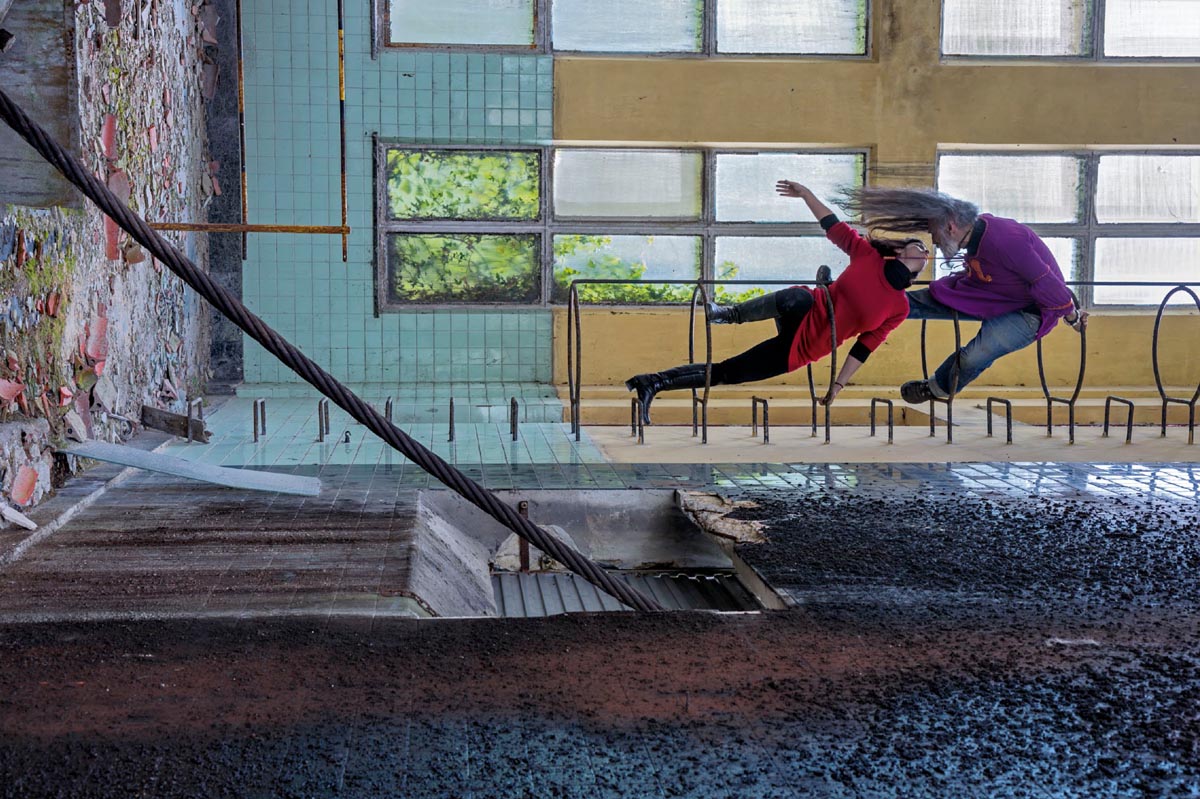
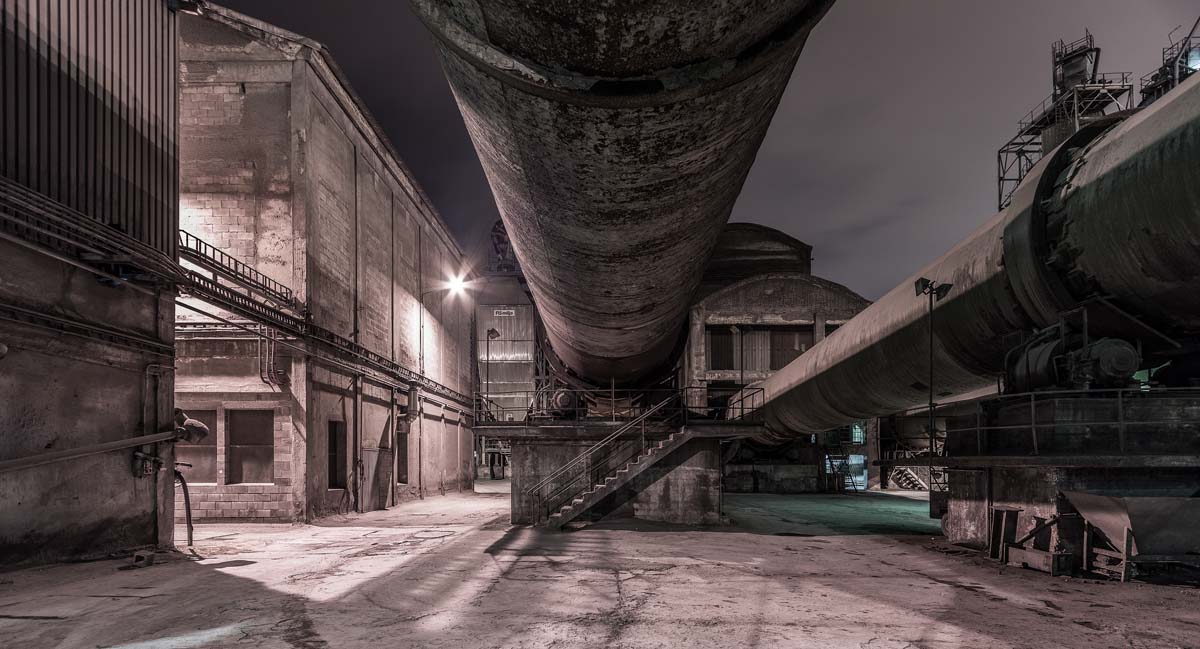
Patronage projects, which encourage the production, with absolute creative freedom for the artists, of a series of works specifically conceived for the institution. Notable examples in this line of collecting are the Visions of Asturias photographic series, the public sculpture project for the old pedestal in Plaza Colón for which Jaume Plensa created Julia, and the specific projects designed for the Foundation’s different centres, comprising sculptures (Jaume Plensa, Blanca Muñoz), street art (Díaz-Faes, Queen Andrea) and textile art.
Photography from the twentieth and twenty-first centuries, a discipline with a special focus in the collection as a constantly evolving art, replete with fusions and nods to other fields and increasingly impacted by new technologies.
Support for promising young national and international talents, especially in the field of street art, selected as part of initiatives promoted by the institution or at national and international galleries and fairs.
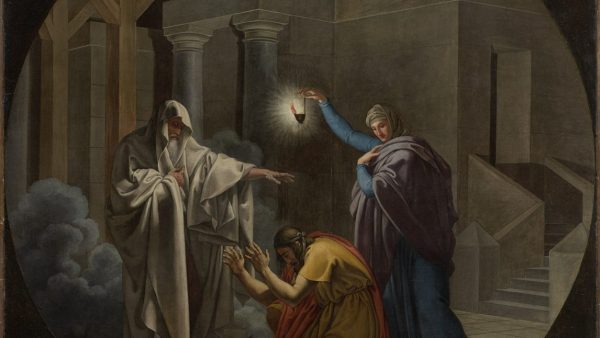
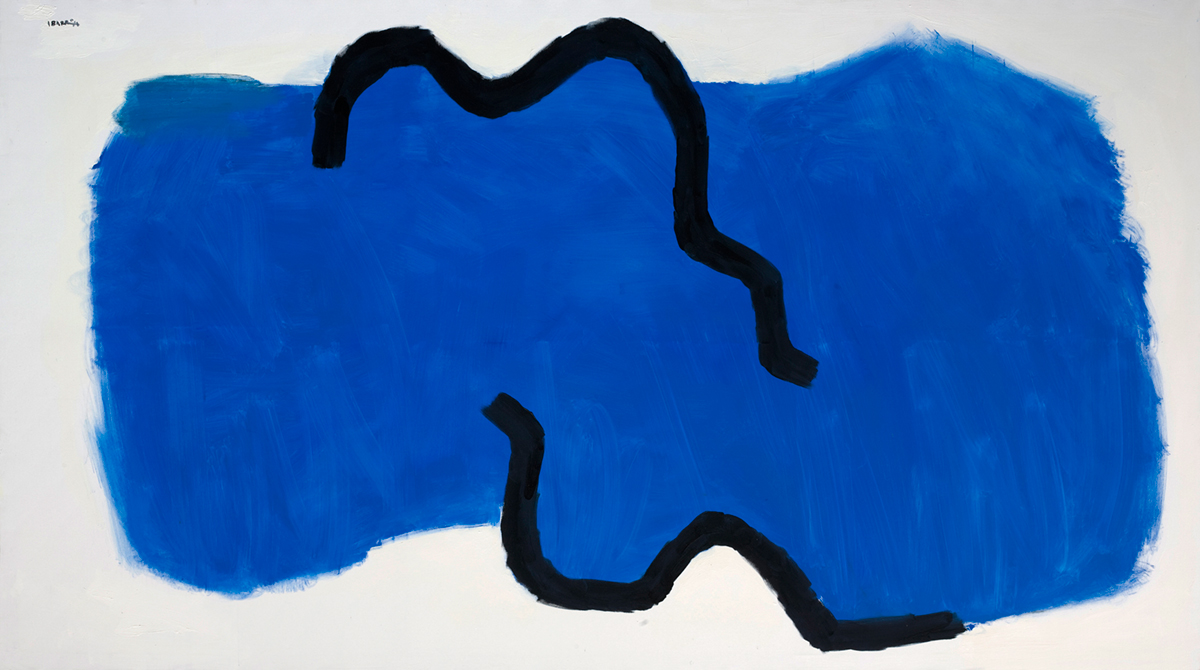
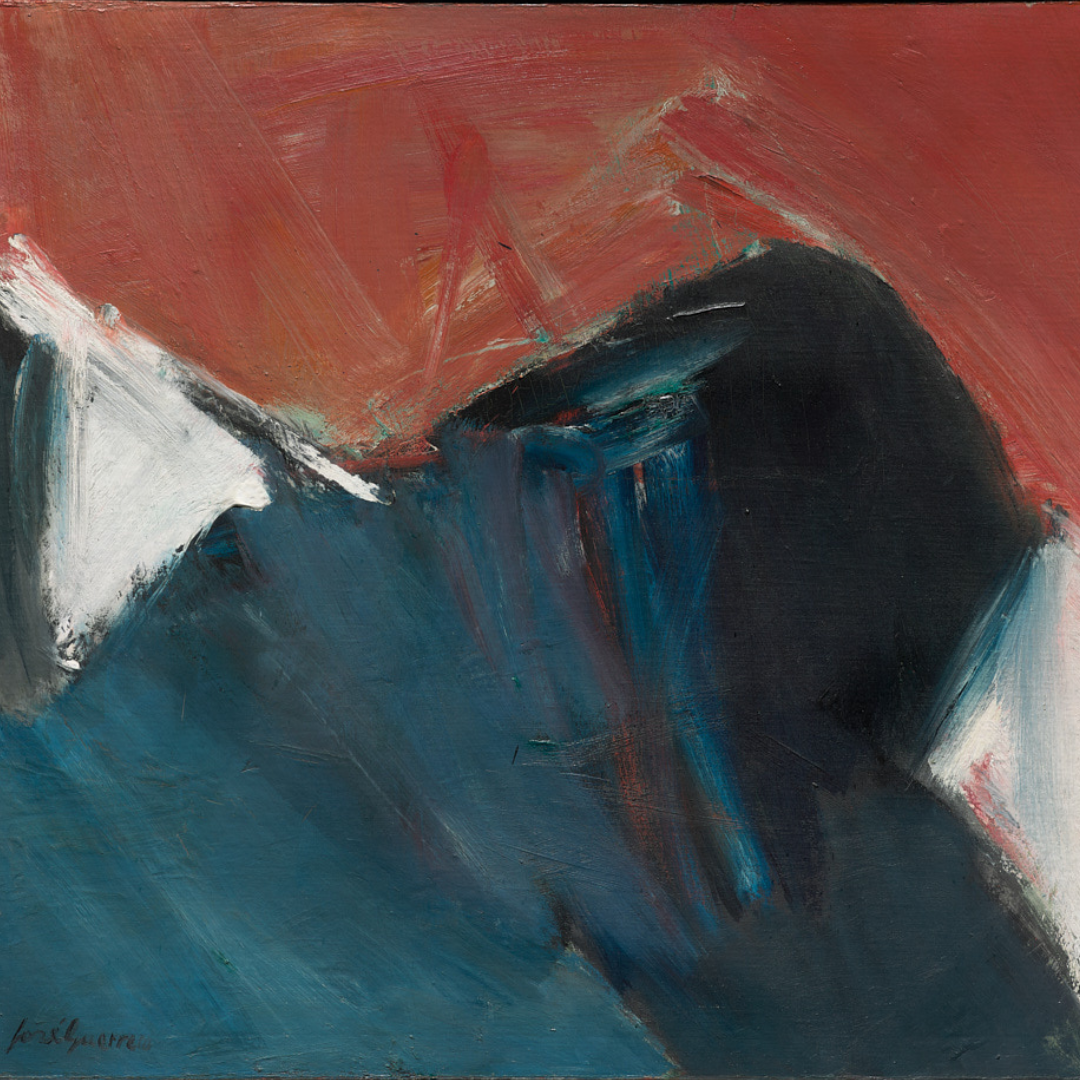
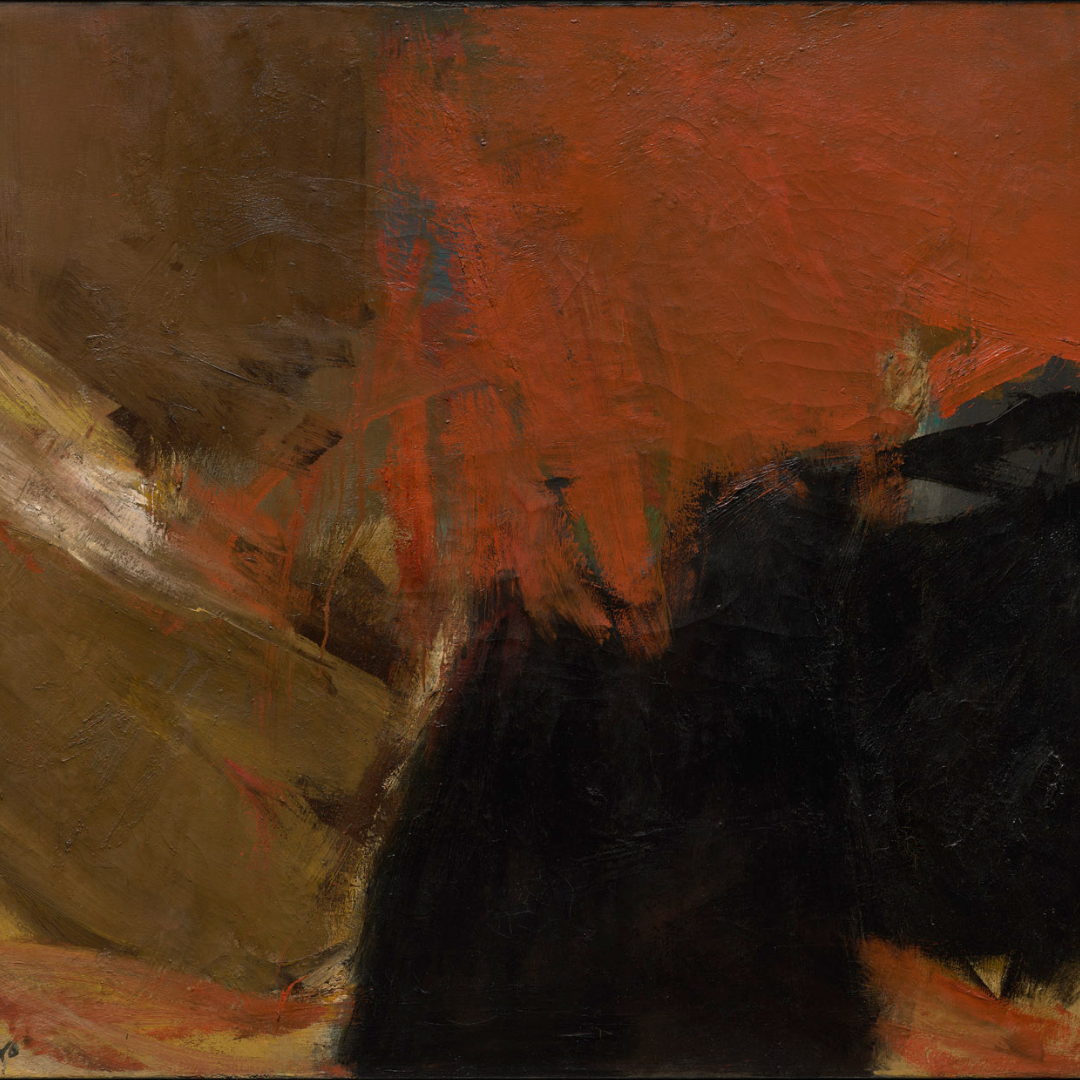
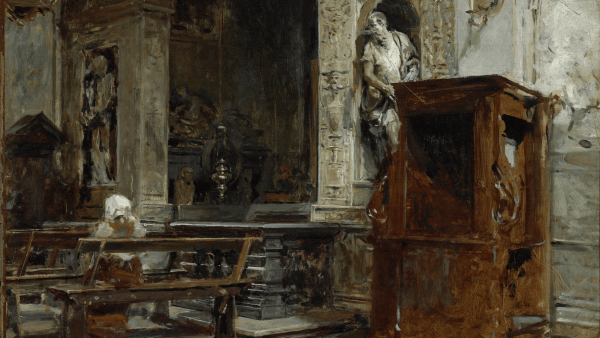
Singular works from the Modern Era, with a special focus on the nineteenth and twentieth centuries. Juan van der Hamen, Artemisia Gentileschi, Luca Giordano, Federico de Madrazo, Darío de Regoyos, Pablo Gargallo, José Guerrero, Esteban Vicente, Pablo Palazuelo, Cristina Iglesias and Juan Muñoz are some of the most representative names in this broad category.
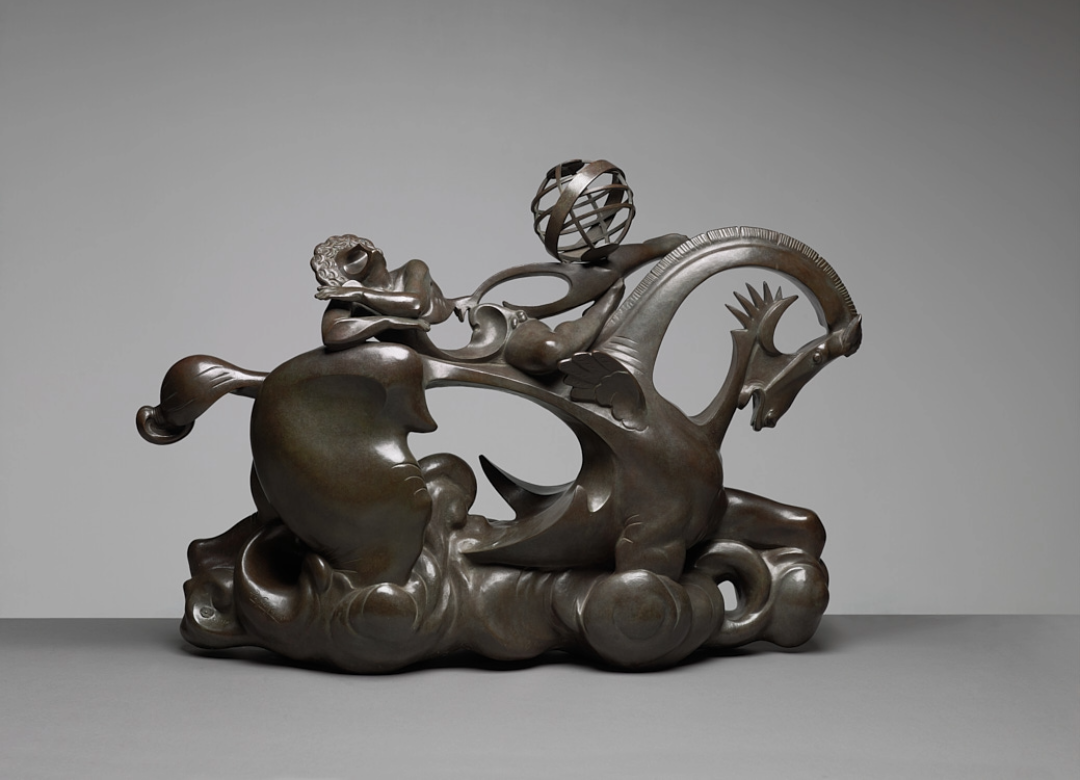
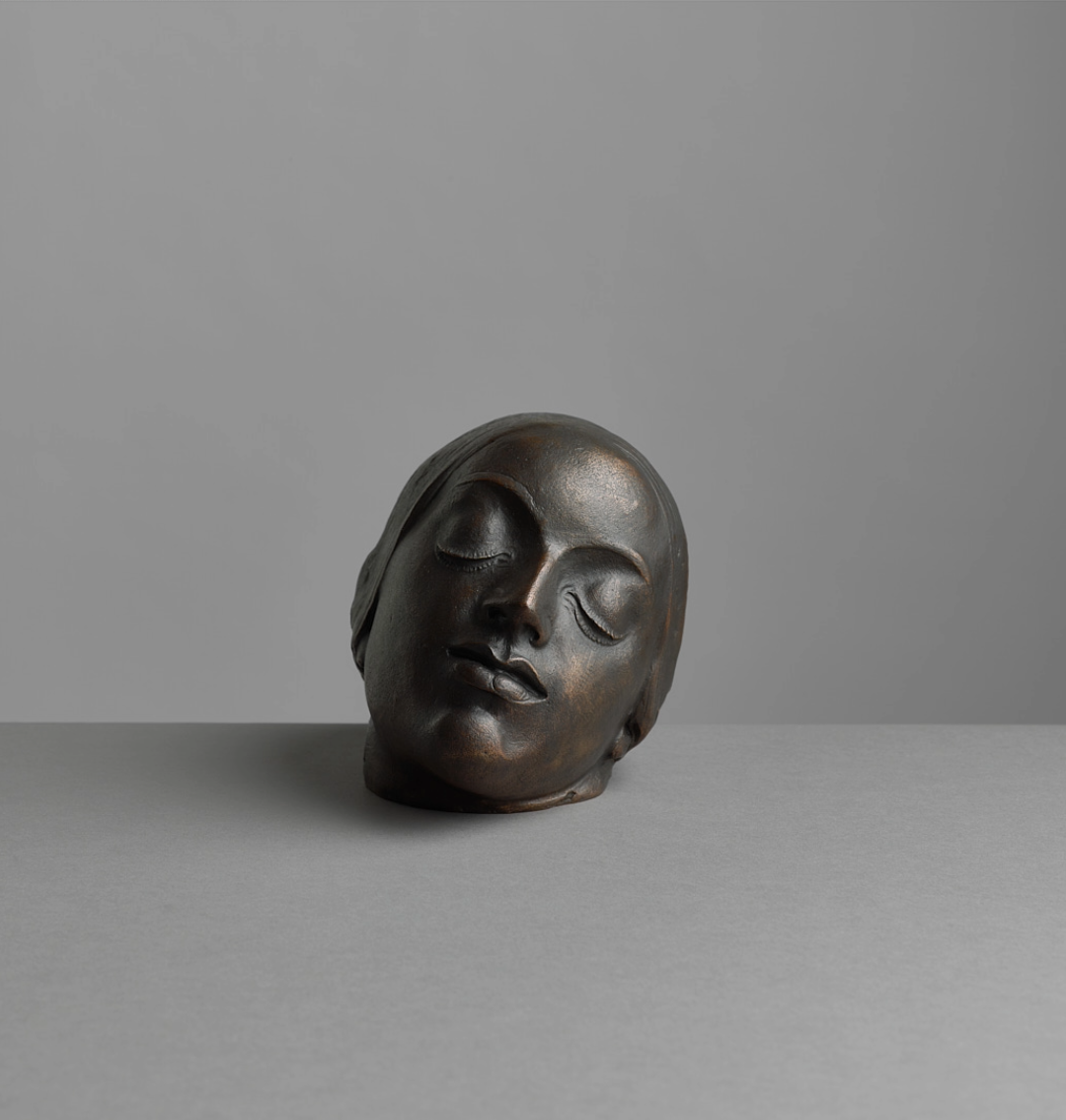
Major Asturian, national and international sculptors, with a particular emphasis on contemporaneity. Eduardo Chillida, Jorge Oteiza, Jaume Plensa, Pablo Maojo, Richard Serra and Beverly Pepper are some of the artists represented in the FMCMP Collection.
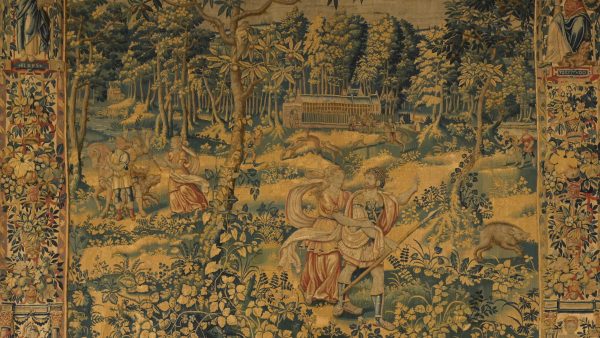
Tapestries and textile art, with pieces that include a fifteenth-century Hispano-Moresque rug and major tapestries from the sixteenth to eighteenth centuries, as well as notable examples of contemporary national and international textile art by authors such as Josep Grau-Garriga, Aurèlia Muñoz, Dolors Oromì, Marta Palau, Magdalena Abakanowicz and Maria Lai.
Primarily but not exclusively centred on contemporaneity and featuring works by Asturian, national and international artists, the FMCMP Collection represents a model for the coexistence of multiple disciplines, a faithful mirror of its space and time and a symbol of the desire to protect heritage, alternating the legacies of historical and modern creators and, like the FMCMP itself, looking to the future without ever forgetting the past.
CONSERVATION AND RESTORATION
Faithful to its commitment to the conservation, recovery and restoration of Spanish historical heritage, the Fundación María Cristina Masaveu Peterson dedicates intense efforts to the maintenance of its art collections, particularly diverse in terms of the age and nature of the works. This includes implementing preventive conservation plans and protocols at the Foundation’s different centres, systematically undertaking anoxic pest treatments for new acquisitions, carrying out technical studies, complying with historical, artistic and conservation criteria when mounting and framing works, and pursuing a significant programme of restorations, all with the aim of optimising the presentation of the works for the benefit of audiences. Of particular importance for the works in the collection that date from the nineteenth century and earlier, these tasks also provide an opportunity to gain a more detailed knowledge of each piece. For this purpose, the Fundación María Cristina Masaveu Peterson works closely with distinguished practitioners and national institutions that are benchmarks in their respective fields, such as the restoration workshop of the Museo Nacional del Prado and the textile restoration service of the Royal Tapestry Factory.
These essential tasks behind the scenes not only contribute to the conservation of the rich cultural heritage owned by the Foundation, but also to the knowledge and dissemination of this heritage through the various cultural projects it organises.
Fundación Mapfre and Meadows Museum
Madrid / Dallas
2025 - 2026
Museo Nacional Centro de Arte Reina Sofía
Madrid
2025 - 2026
Fundación Pedro de la Maza Barrié
A Coruña
2025 - 2026
Centro Niemeyer
Avilés
2025
Museo Nacional Thyssen-Bornemisza
Madrid
2025
Fundación Juan March
Madrid
2025