The Fundación María Cristina Masaveu Peterson is hosting two new shows in connection with the exhibition Masaveu Collection. Twentieth-Century Spanish Art: From Picasso to Barceló. On display at the FMCMP Madrid Centre from 19 February, both proposals stem from the Foundation’s commitment to lend greater visibility to the magnificent works in the Masaveu collections through rotating exhibitions. As such, audiences periodically have the opportunity to discover new pieces and interpretations within the same broad narrative: Spanish art from the twentieth century.
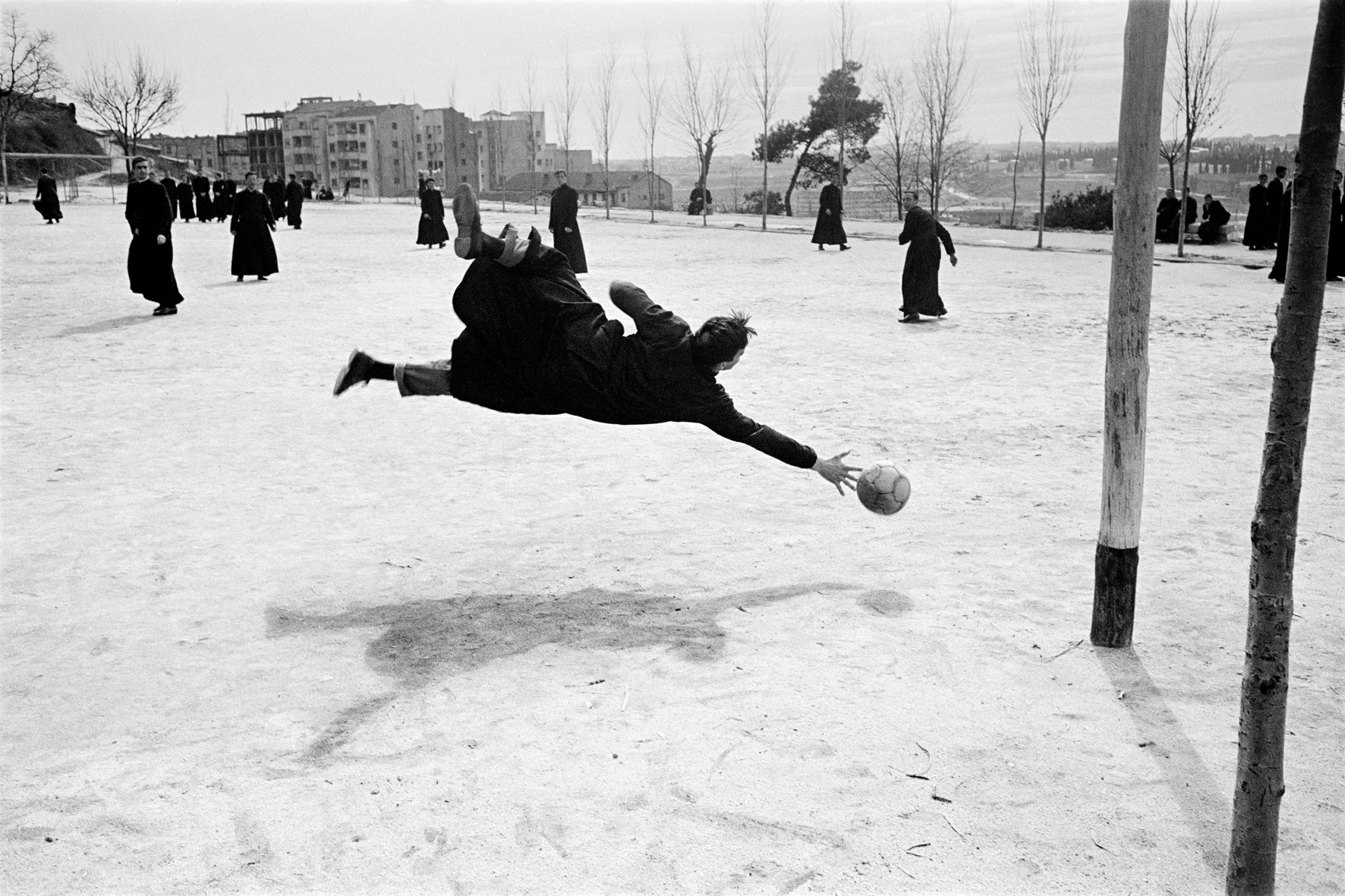
The first of these exhibitions, Monograph: Works on Paper (IV), will be on display until 19 July. Following on from the three earlier editions, this fourth monograph features a selection of photographs from the Foundation’s art collections. The images range from the 1930s to the turn of the century and were made by artists from different generations and with diverse sensibilities. The oldest ones, by Antonio Arissa and José Alemany, date from 1932 to 1938, respectively, while the most recent ones were authored by Eva Lootz, Alberto García-Alix, Evaristo Delgado and José María Díaz-Maroto. The works by Manuel Sonseca, Ángel Sanz, Jesús Angulo and Ramón Masats also date from that time frame. The themes addressed include the world of work, from a petrol station to an artist’s studio, with scenes that portray people both at rest and engaged in physical activity; poetic visions of a fragmented landscape, sometimes inhabited and sometimes empty; an intimate, almost tactile, visual relationship with objects and parts of the body that claim a powerful presence. Some of the photographs capture scenes that synthesise the life of a country in an instant. This is exemplified by Gasolinero, Soria, [Petrol Station Attendant, Soria], by José María Díaz-Maroto, and Venta La Romera, by Manuel Sonseca, and even more notably by the famous image titled Seminary, Madrid, by Ramón Masats, which speaks of a Spain that was still considered to be a developing country at the beginning of the 1960s and mixes football and religion, urban growth and waste ground as ubiquitous realities. Joining them by virtue of its exceptional quality is the photograph from 1940 by the Buenos Aires artist Horacio Coppola: Flores-Ramos Mejía.
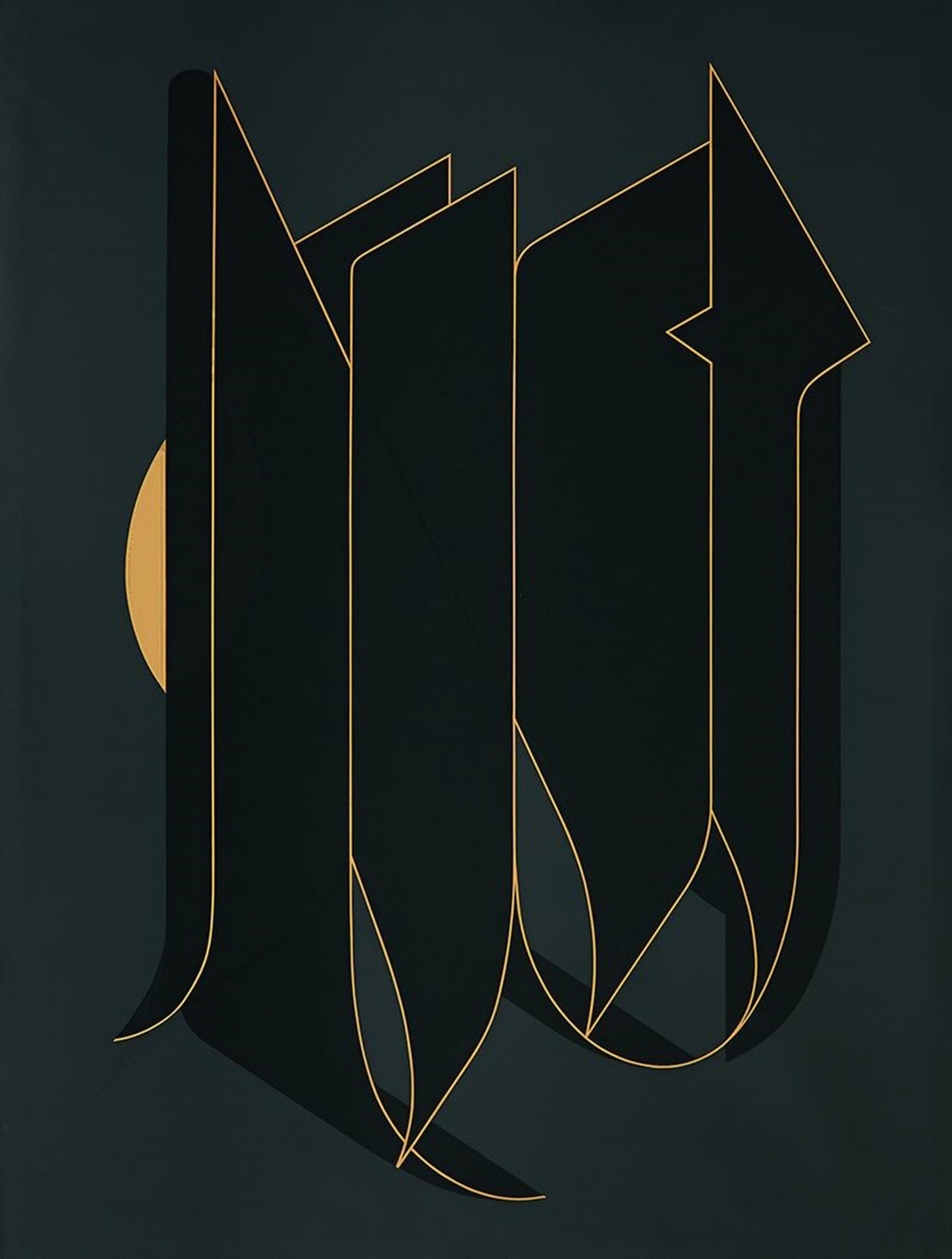
The second exhibition, Guest Works: Pablo Palazuelo, will be on display until 30 May and is the latest edition in a programme conceived to periodically show pieces by twentieth-century artists present in the Masaveu collections. On this occasion, the protagonist is Pablo Palazuelo (Madrid, 1915–Galapagar, Madrid, 2007) with two works—a painting and a tapestry—that aim to highlight his importance in twentieth-century Spanish art and the diversity of the techniques through which his work is represented in our collection. The room pays homage on the one hand to the geometric and immaterial investigations on canvas for which Palazuelo is best known, and, on the other, to a perhaps unexpected translation of that thought process to an ancestral material like wool. Thus, the painting De Somnis IX, 2nd Time (2002) is joined by Tapiz sobre la obra Orto V [Tapestry on the Work Orto V] (1975–1978), bearing testament not only to the broad language employed by the artist, but also to the increasing focus on tapestries in the acquisitions for the Masaveu collections.
CONTENIDO RELACIONADO
SCHOOL PROGRAMME
FMCMP MADRID CENTRE
01 OCTOBER, 2025
28 JUNE, 2026