EXHIBITION
FMCMP MADRID CENTRE
09 OCTOBER, 2024
19 JULY, 2026

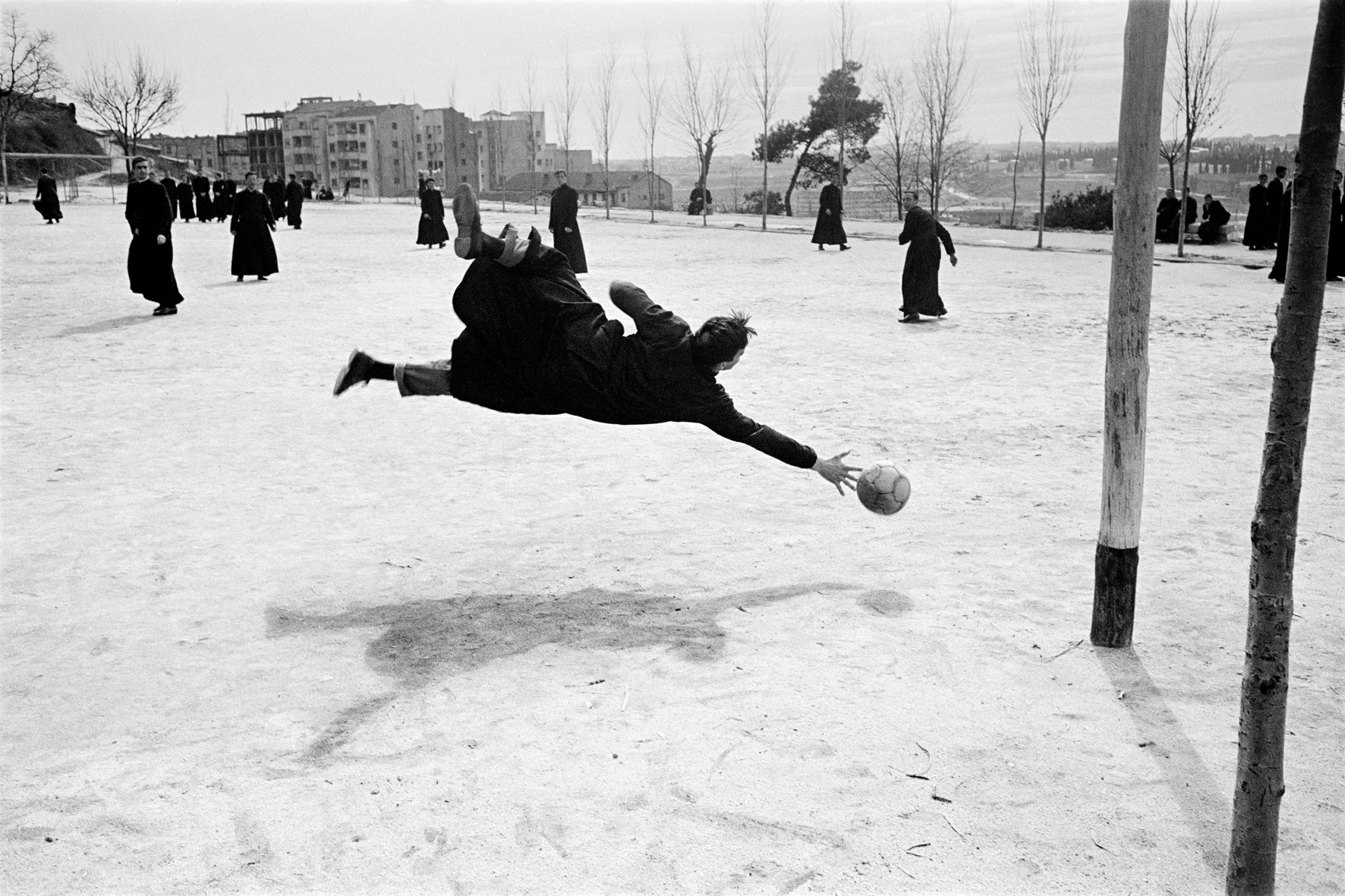
Ramón Masats, Seminario de Madrid, 1960.
Colección Fundación María Cristina Masaveu Petterson
© Ramón Masats, VEGAP, Madrid, 2026
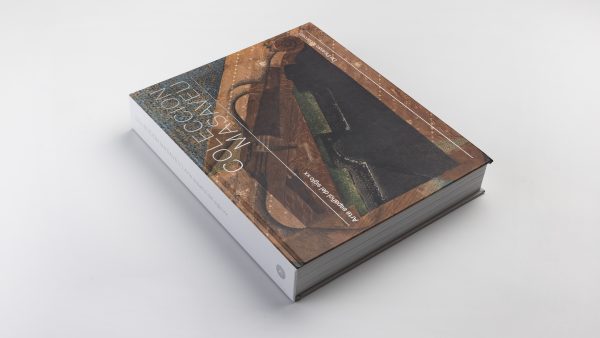
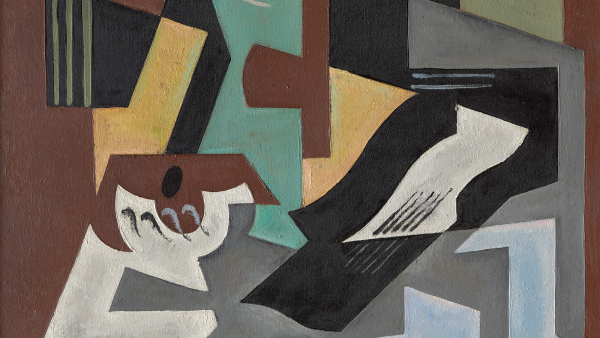
The Masaveu collections include works on paper—drawings, collages and photographs—by some of the foremost artists of the twentieth century. For their display as part of the exhibition Masaveu Collection. Twentieth-Century Spanish Art: From Picasso to Barceló, they are being shown in rotation due to the conservation requirements of these delicate works.
The first monograph, held between October 2024 and April 2025, presented a selection of works made in the first half of the twentieth century by Pablo Picasso, Julio González, Luis Fernández, Benjamín Palencia, Nicolás de Lekuona, Ángel Ferrant, Salvador Dalí, Adriano del Valle, Alfonso Buñuel, Josep Renau and Maruja Mallo. The second one, which took place between April and October 2025, featured pieces by Esteban Vicente and José Guerrero, who produced most of their work in the United States. That show also included the early works of Luis Feito due to his special sensitivity towards the American continent. The third monograph was held between October 2025 and February 2026 and brought together works by artists mainly active in the second half of the twentieth century: on the one hand, Antoni Tàpies, Joan Ponç, Antonio Saura and Zush, whose pieces may be classed as subjective; and on the other, authors who practised a form of analytical abstraction, such as Eusebio Sempere, Pablo Palazuelo and Aurèlia Muñoz. Pieces by Chillida and Elena Asins completed the display.
Following those three editions, the Fundación María Cristina Masaveu Peterson now presents a selection of photographs from its art collections. Without wishing to offer an exhaustive survey, the display features images produced between the 1930s and the turn of the century by artists from different generations and with diverse sensibilities and aims. The oldest ones, made by Antonio Arissa and José Alemany, date from 1932 to 1938, respectively. The most recent ones were authored by Eva Lootz, Alberto García-Alix, Evaristo Delgado and José María Díaz-Maroto. The works by Manuel Sonseca, Ángel Sanz, Jesús Angulo and Ramón Masats date from the same time frame. The themes addressed include the world of work, from a petrol station to an artist’s studio, with scenes that portray people both at rest and engaged in physical activity; poetic visions of a fragmented landscape, sometimes inhabited and sometimes empty; and an intimate, almost tactile, visual relationship with objects and parts of the body that claim a powerful presence. Some of the photographs capture scenes that synthesise the life of a country in an instant. This is exemplified by Gasolinero, Soria [Petrol Station Attendant, Soria], by José María Díaz-Maroto, and Venta La Romera, by Manuel Sonseca, and even more notably by the famous image titled Seminary, Madrid, by Ramón Masats, which speaks of a Spain that was still considered to be a developing country at the beginning of the 1960s and mixes football and religion, urban growth and waste ground as ubiquitous realities. Joining them by virtue of its exceptional quality is the photograph from 1940 by the Buenos Aires artist Horacio Coppola: Flores-Ramos Mejía.
FMCMP MADRID CENTRE
09 OCTOBER, 2024
19 JULY, 2026
FMCMP MADRID CENTRE
16 SEPTEMBER, 2025
19 JULY, 2026