
EXHIBITION
FMCMP MADRID CENTRE
09 OCTOBER, 2024
19 JULY, 2026

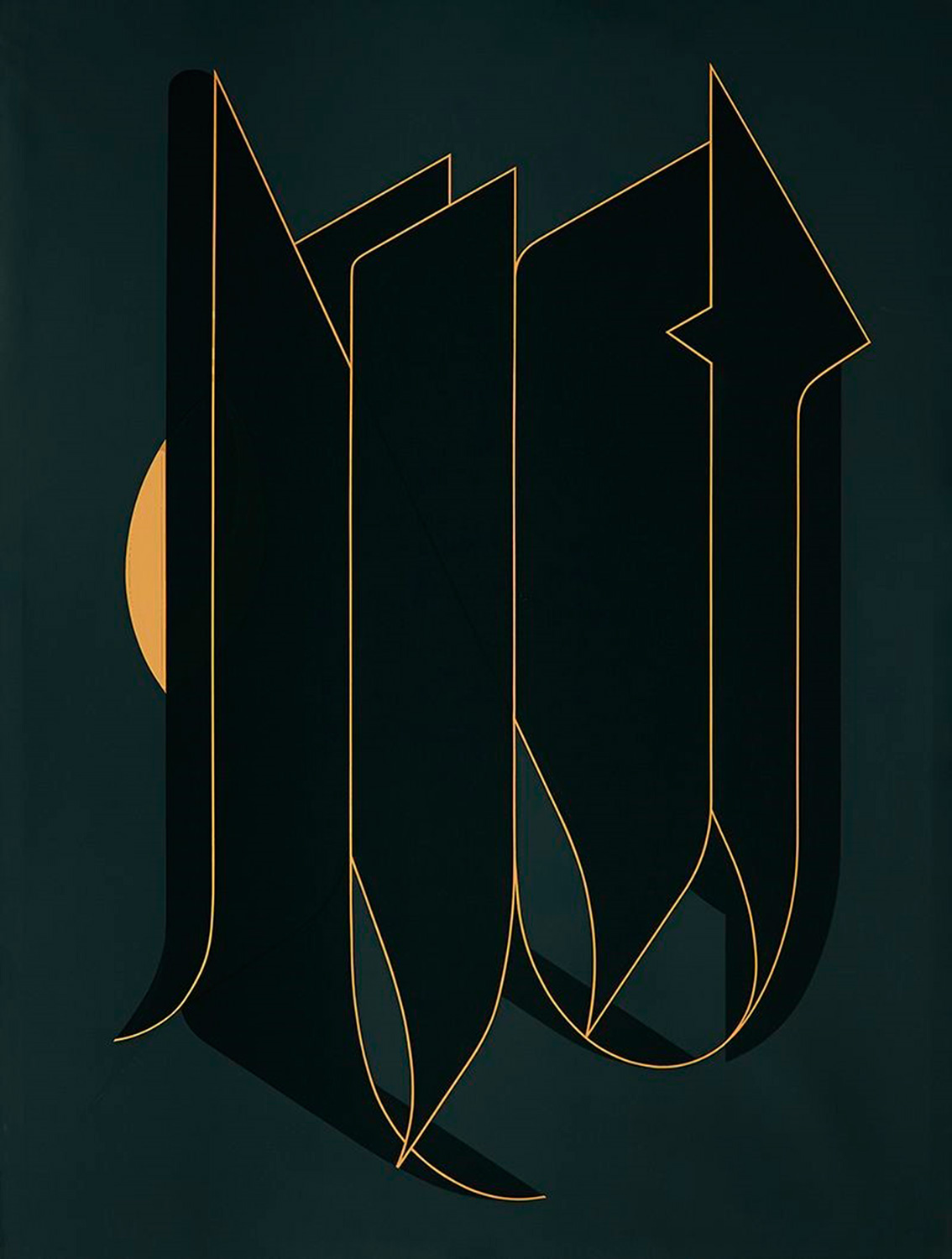
Pablo Palazuelo, De somnis XI, 2º tiempo, 2002.
Colección Fundación María Cristina Masaveu Peterson
© Fundación Pablo Palazuelo, VEGAP, Madrid, 2026
The Fundación María Cristina Masaveu Peterson is hosting a programme of guest works in connection with the exhibition Masaveu Collection. Twentieth-Century Spanish Art: From Picasso to Barceló. Pieces by twentieth-century artists represented in the Masaveu collections are being shown periodically to lend greater visibility to these holdings and add a dynamic dimension to the main exhibition of Spanish art from that century. The works presented on this occasion are a painting and a tapestry by the artist Pablo Palazuelo (Madrid, 1915–Galapagar, Madrid, 2007).
The two pieces aim to highlight the importance of Palazuelo in twentieth-century Spanish art and also the diversity of the techniques through which his work is represented in the Masaveu collections. As a special homage to his oeuvre, this room presents the immaterial investigations into geometry on the canvas for which this artist is best known, and a perhaps unexpected exercise in the translation of this mental process to an ancestral material like wool. Thus, the painting De Somnis IX, 2nd Time, from 2002, is joined by Tapiz sobre la obra Orto V [Tapestry on the Work Orto V], from 1975–1978. This latter piece also bears testament to the increasing focus on tapestries in the acquisitions for the Masaveu collections.
These two works establish a dialogue with the one already displayed in Room 11 of the exhibition Masaveu Collection. Twentieth-Century Spanish Art: From Picasso to Barceló, the sculpture Élan formé n.º 2 (Homenaje a Bachelard) [Élan Formé No. 2 (Homage to Bachelard)], dating from 1977, in the context of Spanish geometric abstraction of the second half of the twentieth century.
Pablo Palazuelo is considered to be one of the abstract painters most interested in researching geometries from a purely intellectual perspective. The study of forms as a speculative exercise is certainly a hallmark of his work, and yet the material also has a significant place in his oeuvre. This is demonstrated by his acute perception in the choice of techniques, inks and types of canvas or paper for his paintings, drawings and engravings, as well as the metals and other materials he selects for his sculptures. However, it is perhaps his fascination with tapestry, lesser known by audiences, that most clearly reveals his sensitivity towards material properties and even towards textures, a distinct characteristic of certain forms of twentieth-century art. His collaboration in the 1970s with the prestigious tapestry-maker and textile artist Josep Royo obeyed this fascination. Most outstanding of all in the case of Palazuelo is that his foray into the world of tapestries occurred without him ever abandoning the refined sense of the line that characterises his painting.
FMCMP MADRID CENTRE
09 OCTOBER, 2024
19 JULY, 2026