LECTURE SERIES
FMCMP MADRID CENTRE
14 OCTOBER, 2025
18 NOVEMBER, 2025

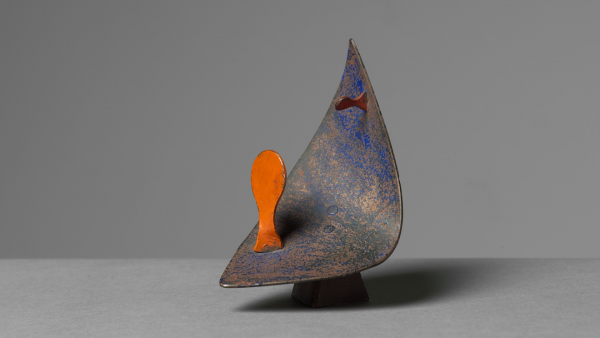
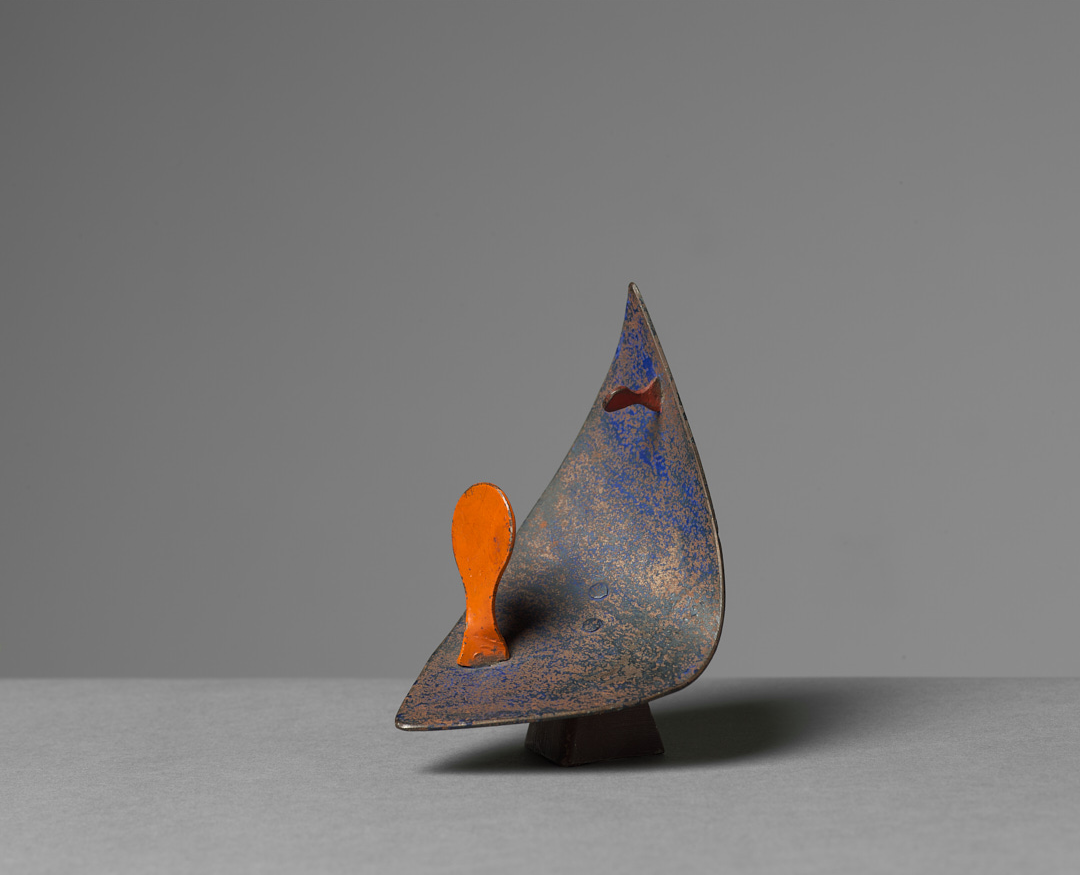
Alexander Calder, Blue, orange, red, 1945.Fernando Masaveu Collection
© Of the photograph: Fundación María Cristina Masaveu Peterson Photo: Marcos Morilla
© 2026 Calder Foundation, New York / VEGAP, Madrid
The Fundación María Cristina Masaveu Peterson is hosting a new show in connection with the exhibition Masaveu Collection. Twentieth-Century Spanish Art: From Picasso to Barceló, which will be on display at the FMCMP Madrid Centre from 7 May. The proposal reflects the Foundation’s commitment to lend greater visibility to the magnificent works in the Masaveu collections through rotating exhibitions. As such, audiences periodically have the opportunity to discover new pieces and interpretations within the same broad narrative: Spanish art from the twentieth century.
The exhibition, Guest Works: Alexander Calder, will be on display until 21 June and is the latest edition in a programme conceived to periodically show pieces by twentieth-century artists present in the Masaveu collections. On this occasion, the protagonist is Alexander Calder (Lawnton, Pennsylvania, 1898–New York, 1976), coinciding with the year in which the fiftieth anniversary of his death is being commemorated. Dated between 1945 and 1975, the works on display evidence the diversity and coherence of the creator’s proposals. Although acclaimed as one of the great sculptors of the twentieth century, Calder also explored other artistic disciplines such as painting, jewellery and tapestry, as this show clearly demonstrates.
Between producing the small-format Blue, Orange, Red stabile, which belonged to the prestigious art dealer Pierre Matisse, and the large-format Crag mobile, highly representative of his mature work, lies the full sculptural imagination of Calder, who was sensitive to motion and organic forms. In the ink and gouache painting Nepal, one of his rare landscapes, the color and form resonate with the grandeur of the work’s title. Meanwhile, the tapestry La Poire, Le Fromage et Le Serpent, created as part of a series to mark the bicentenary of the United States, just after the end of the Vietnam War (1976), makes ironic reference to American patriotism through a variation on the French saying, “entre la poire et le fromage”, which alludes to the lingering moments at the end of a meal as a shared celebratory ritual, with the added image of the serpent perhaps serving as a reminder that temptation is always lurking.
FMCMP MADRID CENTRE
14 OCTOBER, 2025
18 NOVEMBER, 2025